|
|
|
The importance of catching up with phonics for struggling students cannot be overstated. Without proper phonics instruction, these students are unable to master reading skills that are essential for future success. Fortunately, there is a powerful phonics catch-up programme available that can help these vulnerable students improve their reading fluency and sharpen their literacy skills.
The core of this phonics catch-up programme is designed to focus on the basics of phonemic awareness. This includes helping students to hear and identify the individual sounds that make up words, as well as understanding the patterns in which these sounds can make up word families. Through activities requiring them to blend sound-spellings and manipulate vowels and syllables, students can strengthen their ability to decode words correctly and comprehend what they are reading.
The core of this phonics catch-up programme is designed to focus on the basics of phonemic awareness. This includes helping students to hear and identify the individual sounds that make up words, as well as understanding the patterns in which these sounds can make up word families. Through activities requiring them to blend sound-spellings and manipulate vowels and syllables, students can strengthen their ability to decode words correctly and comprehend what they are reading.
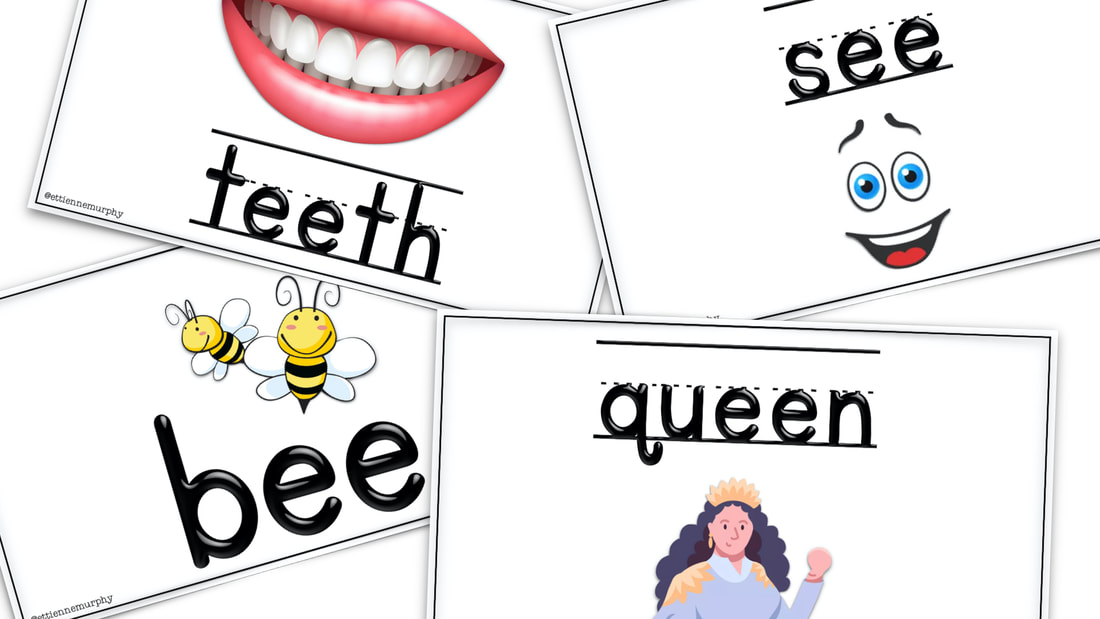
In addition, this phonics catch-up programme also provides activities that include high-interest games and engaging activities to reinforce and build upon the phonics skills that students have already acquired. Not only does this type of scaffolding keep kids interested and engaged, it also encourages them to practice their skills independently and reinforce knowledge through repetition and practice.
Lastly, this programme also provides supplemental resources that teachers, parents, and tutors can use to further expand a student’s learning. From books to apps to online lessons, there are an array of resources available that can be tailored to each student’s individual needs. By providing students with access to a variety of resources, teachers, parents, and tutors can ensure that struggling students receive the proper instruction and support they need to master essential phonics skills.
Lastly, this programme also provides supplemental resources that teachers, parents, and tutors can use to further expand a student’s learning. From books to apps to online lessons, there are an array of resources available that can be tailored to each student’s individual needs. By providing students with access to a variety of resources, teachers, parents, and tutors can ensure that struggling students receive the proper instruction and support they need to master essential phonics skills.
Overall, this phonics catch-up programme is an invaluable tool for helping struggling students build a strong foundation of phonemic awareness and literacy skills. By providing activities that promote practice, collaboration, and exploration, students not only improve their reading fluency but also gain exposer to the essential skills needed for a successful future.
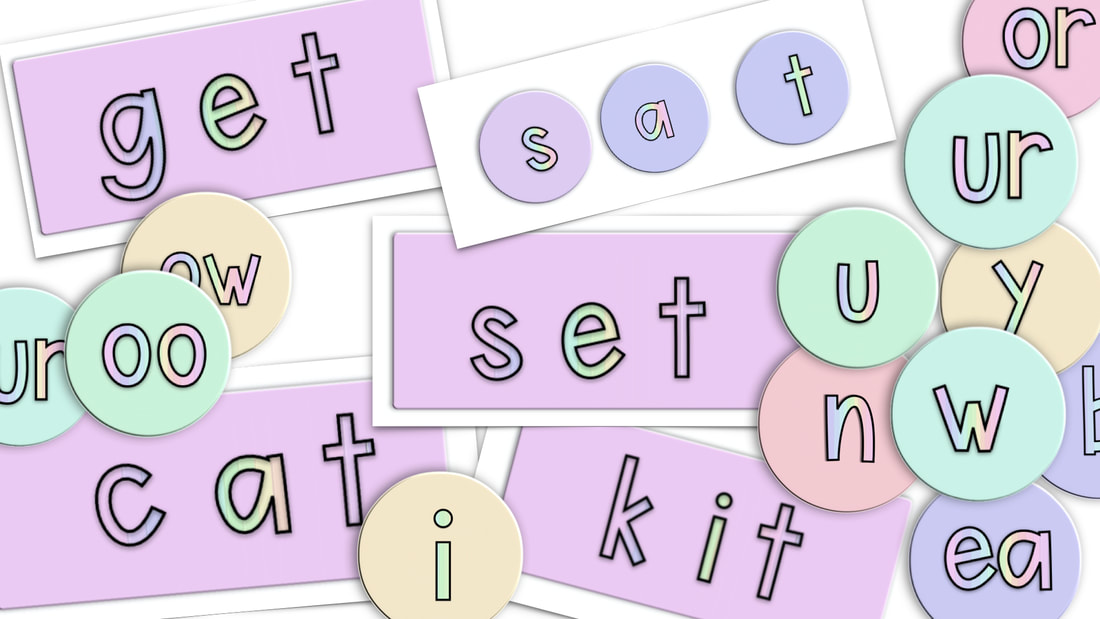


There are many strategies you can use to help your students master this tricky sound.
First of all, when introducing 'ea' it's important to teach both that it makes an 'ee' sound. Before teaching the sound of 'ea', it's important to first teach your students the concept of long and short vowels. You can do this by introducing a variety of words with long and short vowel sounds.
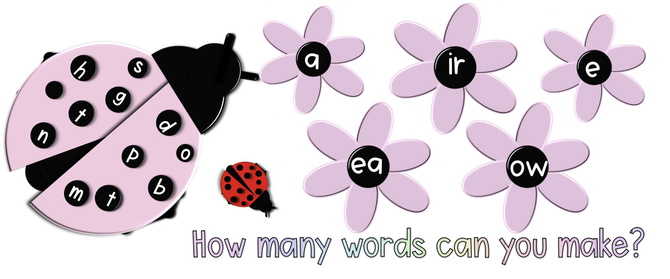
Once your students are familiar with the concept, you can start to use activities like matching cards that help them to learn and remember the sound of 'ea'. You can also use games such as 'Find the Ear', where students collect Cards with an 'ea' sound written on each them.
When it comes to reading activities, repeating stories with 'ea' words can be helpful for reinforcing the sound. You could also make a class book with each student contributing one sentence about a topic that includes an 'ea' word – this will give them extra practice in both writing and reading words with the 'ea' sound.
Finally, create additional activities that require students to identify 'ea' words in sentences. This will also reinforce both the long and short sounds that 'ea' can make. You could also create worksheets that test their understanding of words with the 'ea' sound.
With some creativity, engagement, and practice, your students will be able to become confident with the 'ea' digraph
First of all, when introducing 'ea' it's important to teach both that it makes an 'ee' sound. Before teaching the sound of 'ea', it's important to first teach your students the concept of long and short vowels. You can do this by introducing a variety of words with long and short vowel sounds.
Once your students are familiar with the concept, you can start to use activities like matching cards that help them to learn and remember the sound of 'ea'. You can also use games such as 'Find the Ear', where students collect Cards with an 'ea' sound written on each them.
When it comes to reading activities, repeating stories with 'ea' words can be helpful for reinforcing the sound. You could also make a class book with each student contributing one sentence about a topic that includes an 'ea' word – this will give them extra practice in both writing and reading words with the 'ea' sound.
Finally, create additional activities that require students to identify 'ea' words in sentences. This will also reinforce both the long and short sounds that 'ea' can make. You could also create worksheets that test their understanding of words with the 'ea' sound.
With some creativity, engagement, and practice, your students will be able to become confident with the 'ea' digraph