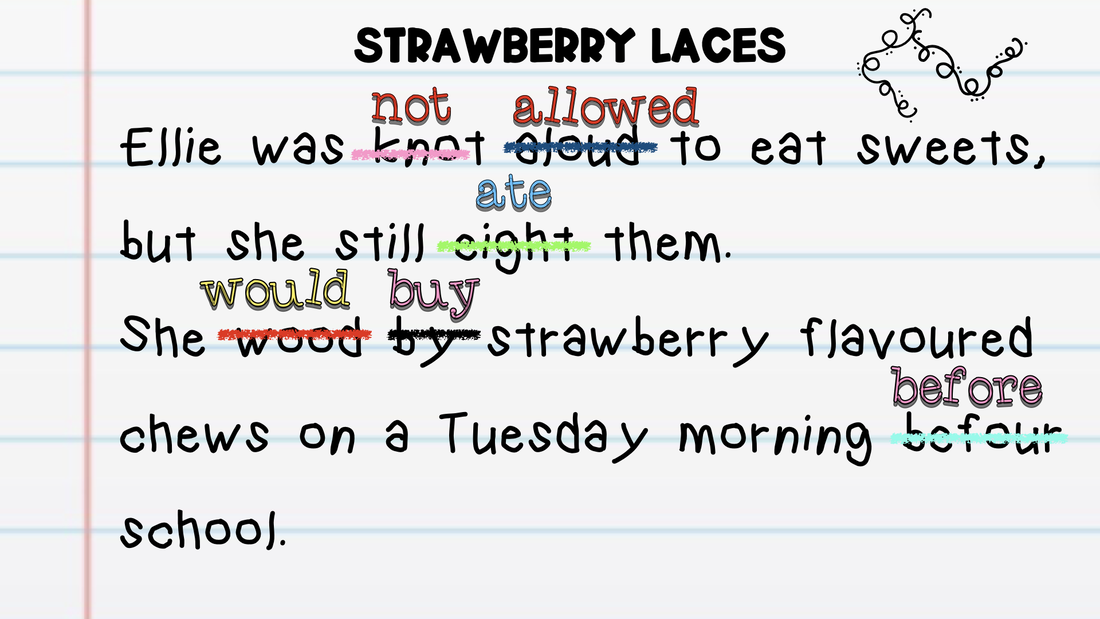
When children are first learning to read they can often become easily frustrated as they are confronted with something that is unknown and unfamiliar. To overcome these challenges and ensure learning is a positive experience, it is important for parents and educators to recognise the need for strategies that increase their child's self-assurance.
Firstly, it is essential to make sure the child has a supportive environment while reading. This means creating an atmosphere that allows them to read without feeling any pressure or judgement. Positive reinforcement from parents or educators when a child makes progress is also important to help them build their confidence. When children feel that their efforts are being acknowledged, they will be more likely to try again in the future.
In addition, breaking up the learning process into smaller, achievable goals can help build a child's confidence. When children are presented with tasks that are achievable, they will be more likely to persist and feel more successful. Many of the tools used in phonics based instruction can be used for this purpose. For example, instead of expecting a child to read a full book in one sitting, start by focusing on a few pages at a time. This gives them a sense of accomplishment and keeps them motivated.
It is important to remember that children learn differently, and there is no single 'correct' way of teaching phonics. To ensure success, allow children to explore and experiment with different ways of learning until they find what works best for them. This is an opportunity to discover what type of instruction and goal-setting is most agreeable with the learner and helps to bolster their self-esteem in the process.
By providing support, positive reinforcement, small achievable goals, and ensuring that learning is adapted to fit the individual needs of the child, parents and educators can help to foster a sense of self-confidence in young learners when learning how to read phonics. This will lead to greater success in the long-term as young learners become confident in their skills and independent readers.
As a teacher, it's important to keep in mind that students at this age can be easily distracted. To help ensure focus in the classroom, it's important to make lessons engaging and interactive. Keeping the curriculum relevant to their lives and interests can be a great way to motivate and engage students.
When it comes to preparing for classes, plan your lessons in advance. Outline objectives and activities that will support the lesson's goal. This will help you stay organised and on track during the class. It's also a good idea to add variety to your teaching methods. Mixing it up with activities such as role-plays, debates, group discussions, or written exercises can help keep their attention as well as create an enjoyable learning environment.
It’s important to give students opportunities to practice what they have been taught. Giving students written or verbal tasks, having them teach each other new vocabulary words, or having them watch videos in English are just some of the ways they can practice their English outside of the classroom.
Of course, feedback is required for students to be successful. Make sure to provide positive reinforcement when students have done well and give constructive criticism when needed. Showing that you care about their success is an important part of building a good teacher-student relationship.
Overall, effective communication and motivation is key when teaching students aged 13-16. Keeping lessons enjoyable and interesting can help them stay focused and increase their involvement in learning English.