Dyslexia is a common learning disability that impacts reading and writing skills. It is estimated that dyslexia affects up to 10-20% of the population, though with advances in screening and diagnostic procedures, many more people are being identified as having this disability. Despite popular misconceptions, dyslexia is not a visual disorder nor is it a result of having lower intelligence. Instead, it is a neurological disorder that impacts an individual's ability to accurately and fluidly process and interpret written language.
People with dyslexia often find it difficult to decode written words and as a result, may need extra time or additional support to accurately read. Additionally, they may have trouble with understanding instructions, retaining details, and organizing their thoughts. They may also have difficulty comprehending what they have read or write so that it makes sense to others.
It is important to remember that dyslexia isn't something that can be "cured". Instead, people must use strategies and support to help manage their learning disability. Through modification of instruction styles, specialized resources, and tutoring, individuals with dyslexia can be successful in academic settings. Additionally, there are many accommodations and/or technologies available that can help reduce the impact of dyslexia.
Ultimately, dyslexia is a disability that requires understanding, patience, and the right support to help an individual reach their greatest potential. It is essential that we continue to raise awareness about dyslexia and advocate for the support those with this disability need in order to thrive.
People with dyslexia often find it difficult to decode written words and as a result, may need extra time or additional support to accurately read. Additionally, they may have trouble with understanding instructions, retaining details, and organizing their thoughts. They may also have difficulty comprehending what they have read or write so that it makes sense to others.
It is important to remember that dyslexia isn't something that can be "cured". Instead, people must use strategies and support to help manage their learning disability. Through modification of instruction styles, specialized resources, and tutoring, individuals with dyslexia can be successful in academic settings. Additionally, there are many accommodations and/or technologies available that can help reduce the impact of dyslexia.
Ultimately, dyslexia is a disability that requires understanding, patience, and the right support to help an individual reach their greatest potential. It is essential that we continue to raise awareness about dyslexia and advocate for the support those with this disability need in order to thrive.
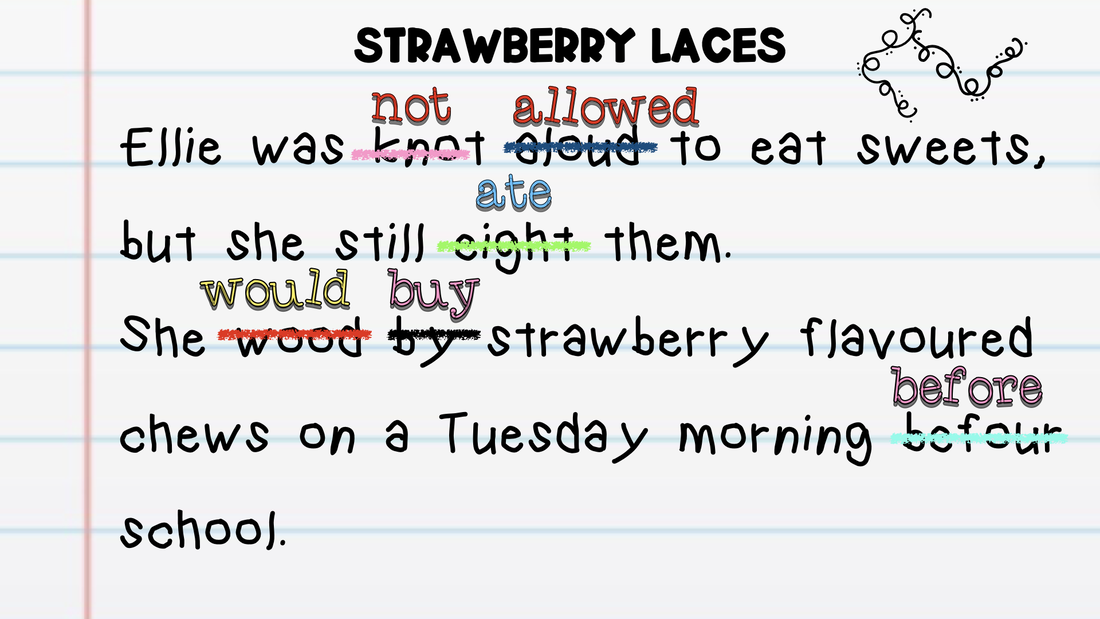
Parenting children with dyslexia can be a challenge but there are strategies to help manage it.
First, it is important to learn as much as you can about dyslexia. Here are some resources to help you: The National Center for Learning Disabilities, International Dyslexia Association, and the Yale Center for Dyslexia & Creativity are all good places to start for more information.
Second, talk to your child’s teachers and school administrators about any special accommodations they can make. Your child may need extra time for tests or exams, for example, or the use of assistive technology and audio books may help.
Third, understand that dyslexia is a learning difference and not a learning disability. Your child may need extra help but it doesn’t mean they are not intelligent.
Fourth, create a positive learning environment without too many distractions. Use a quiet area for them to study – this could be their bedroom or the living room. Reduce noise levels and try to ensure they have the same environment for studying each time.
Fifth, don’t be afraid to ask for help. Consider tutors or remedial programs to help your child if they are having difficulties reading or writing. Ask your child’s teacher for advice and recommendations if you feel necessary.
Finally, never stop encouraging your child. Provide opportunities for them to develop a positive attitude towards learning and have patience while they learn their new skills.
We hope these tips have been helpful. If you have any questions or would like more information, please do not hesitate to contact us.
First, it is important to learn as much as you can about dyslexia. Here are some resources to help you: The National Center for Learning Disabilities, International Dyslexia Association, and the Yale Center for Dyslexia & Creativity are all good places to start for more information.
Second, talk to your child’s teachers and school administrators about any special accommodations they can make. Your child may need extra time for tests or exams, for example, or the use of assistive technology and audio books may help.
Third, understand that dyslexia is a learning difference and not a learning disability. Your child may need extra help but it doesn’t mean they are not intelligent.
Fourth, create a positive learning environment without too many distractions. Use a quiet area for them to study – this could be their bedroom or the living room. Reduce noise levels and try to ensure they have the same environment for studying each time.
Fifth, don’t be afraid to ask for help. Consider tutors or remedial programs to help your child if they are having difficulties reading or writing. Ask your child’s teacher for advice and recommendations if you feel necessary.
Finally, never stop encouraging your child. Provide opportunities for them to develop a positive attitude towards learning and have patience while they learn their new skills.
We hope these tips have been helpful. If you have any questions or would like more information, please do not hesitate to contact us.