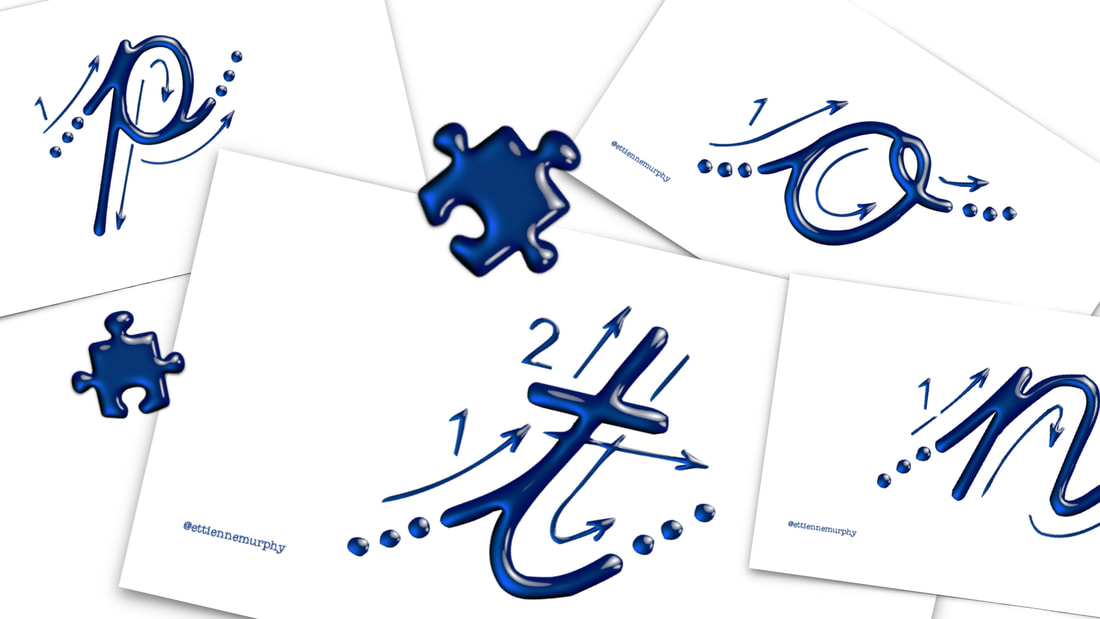
Letter formation is an essential part of successful reading and writing development, so it’s important to be aware of the skills children need to practice.
The first step towards successful writing is to develop an understanding of their motor skills, and how they use them to control their hand, arm, and wrist actions. This means that children need to be actively encouraged to take part in activities which involve holding pencils, crayons, chalks, and other items that require precise coordination and control.
Children should also be given plenty of opportunity to explore tracing shapes and lines in various directions while grasping the pencil or other tool. Tracing examples of letters allows them to become familiar with the shape and size of that particular letter. As their skills progress they can move on to creating their own letters.
It’s helpful to establish specific letter formation habits from the outset as this will save time in the long run. For example, some children are right-handed and others are left-handed, so it’s important to show an example of how to form each letter with both hands.
When a child starts forming their own letters it’s important to model a consistent approach to shaping each letter from top to bottom. This will help them remember which way round to hold their pencil as well as ensure that each letter is the same size and shape.
To help motivate children it’s important to keep their activities interesting. Break up the process with different activities such as dictation and comparison games. Award children with small rewards for their successes which will help encourage them to form their letters well.
Letter formation in the early years is a crucial skill for successful reading and writing development. If the above steps are followed, they will ensure that young children are provided with a positive and supportive learning environment where they can flourish and reach their full potential.
The first step towards successful writing is to develop an understanding of their motor skills, and how they use them to control their hand, arm, and wrist actions. This means that children need to be actively encouraged to take part in activities which involve holding pencils, crayons, chalks, and other items that require precise coordination and control.
Children should also be given plenty of opportunity to explore tracing shapes and lines in various directions while grasping the pencil or other tool. Tracing examples of letters allows them to become familiar with the shape and size of that particular letter. As their skills progress they can move on to creating their own letters.
It’s helpful to establish specific letter formation habits from the outset as this will save time in the long run. For example, some children are right-handed and others are left-handed, so it’s important to show an example of how to form each letter with both hands.
When a child starts forming their own letters it’s important to model a consistent approach to shaping each letter from top to bottom. This will help them remember which way round to hold their pencil as well as ensure that each letter is the same size and shape.
To help motivate children it’s important to keep their activities interesting. Break up the process with different activities such as dictation and comparison games. Award children with small rewards for their successes which will help encourage them to form their letters well.
Letter formation in the early years is a crucial skill for successful reading and writing development. If the above steps are followed, they will ensure that young children are provided with a positive and supportive learning environment where they can flourish and reach their full potential.

| Letter Formation Practice/Ettienne-Murphy |